
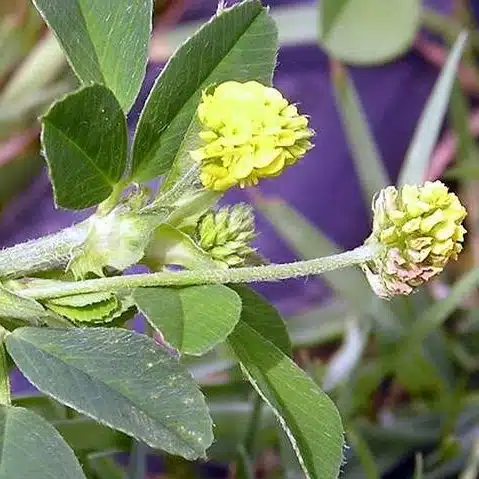
Australian Lawn and Turf Weed Identification Chart.
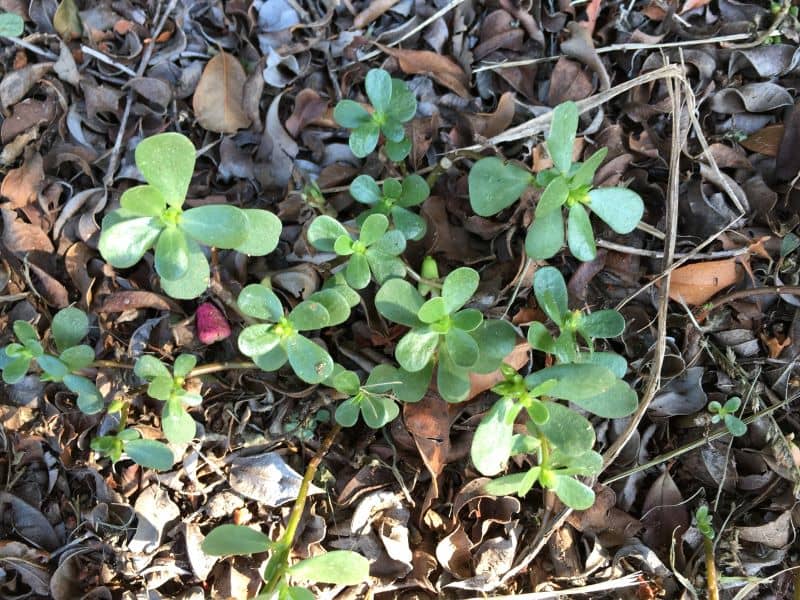
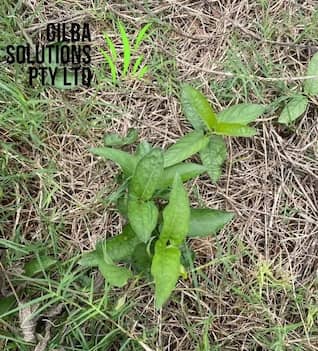
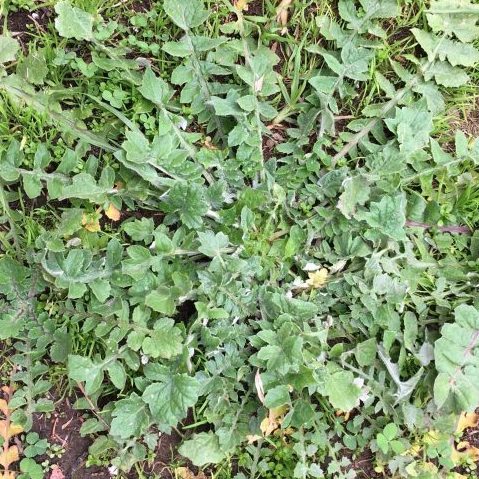
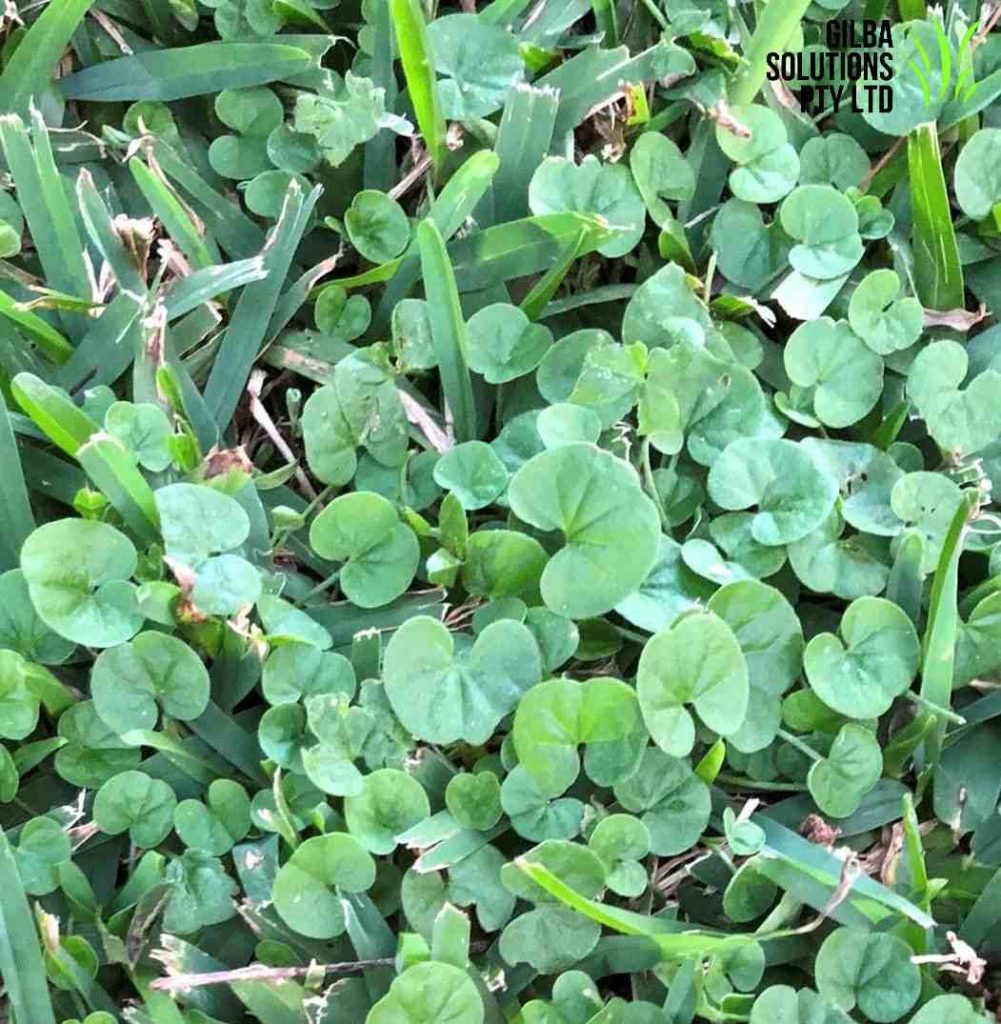
Identify lawn and turf weeds in Australia using this weed identification chart with photos and key visual traits. Compare weed pictures, names, and growth habit to confirm species and choose the correct control.
Weed Identification Pictures For Australian Lawns.
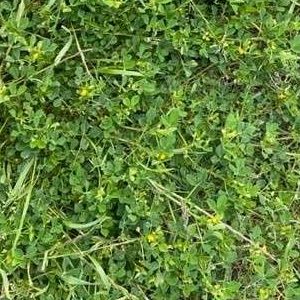
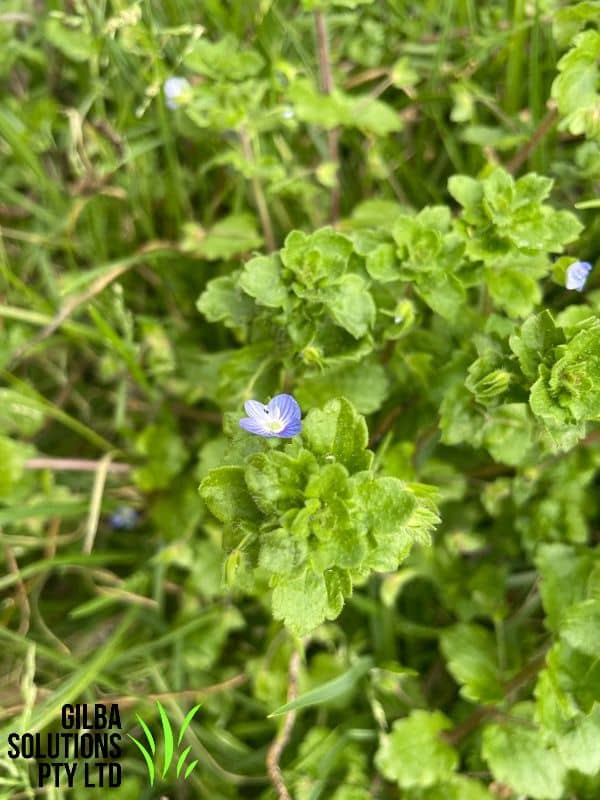
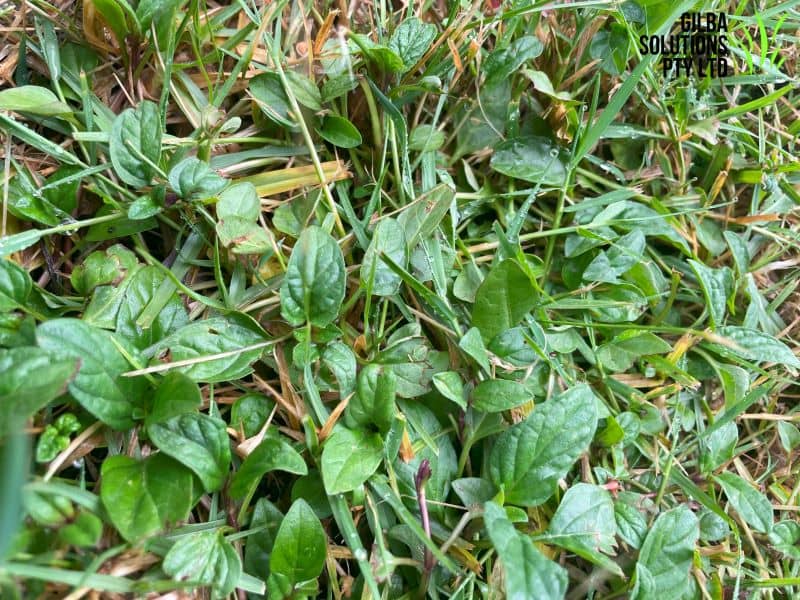
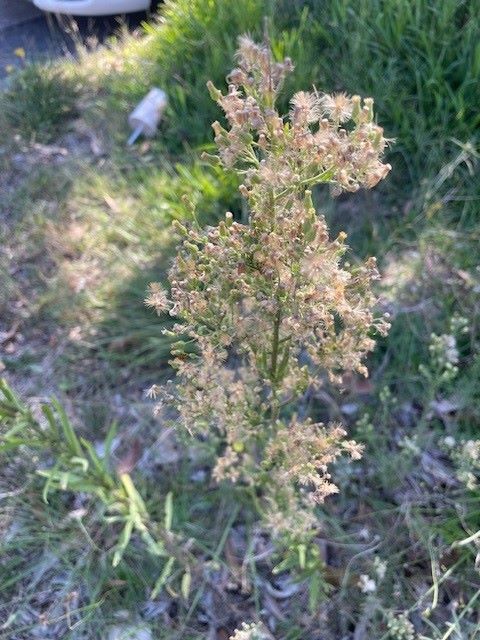
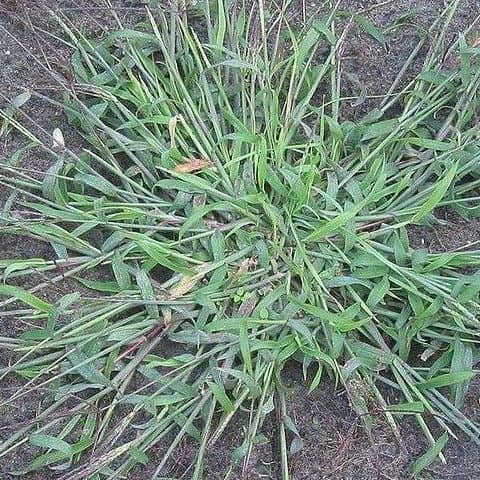
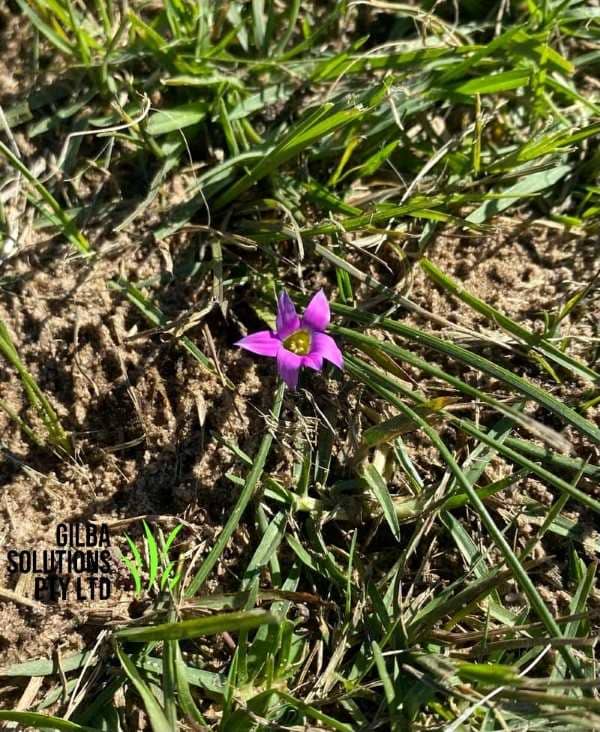
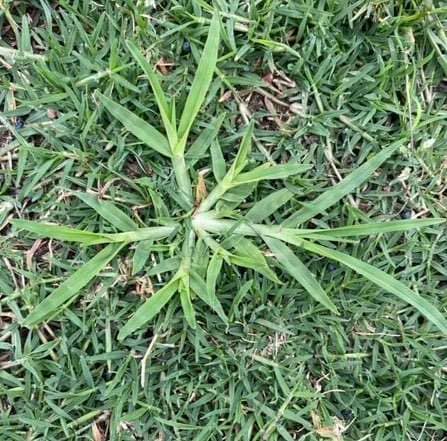
This chart focuses on visual identification using photos, leaf shape, growth habit, and seed heads.
This lawn weed identification chart is for Australian conditions. It helps you recognise common broadleaf and grassy weeds, and sedges found in turf by using images and visible traits.
Use the chart to match leaf shape, growth habit, and seed heads before you move onto control.
NSW | Queensland | Victoria
Weed Identification Pictures for Australian Lawns.
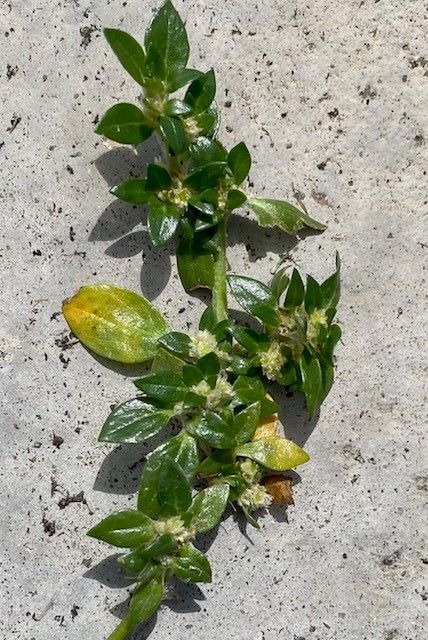
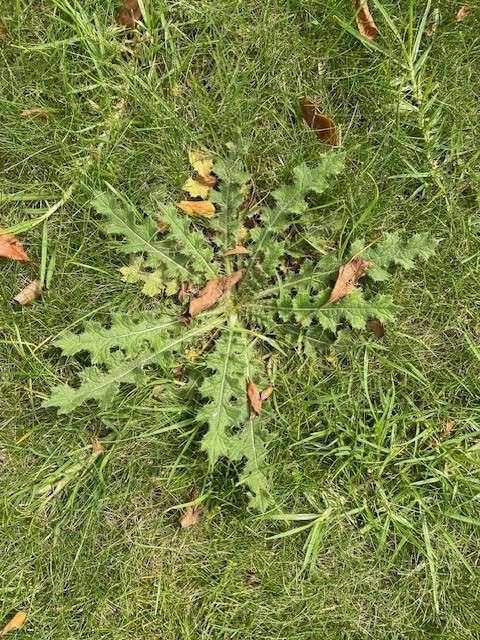
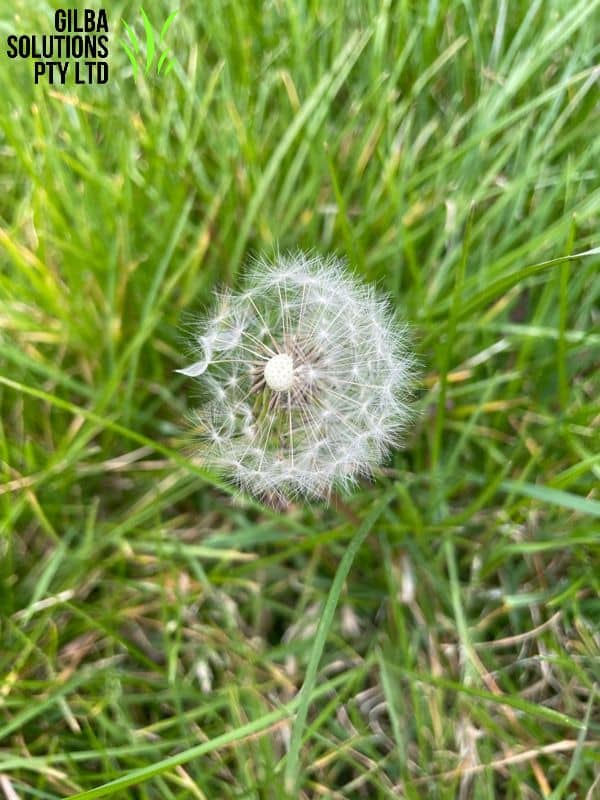
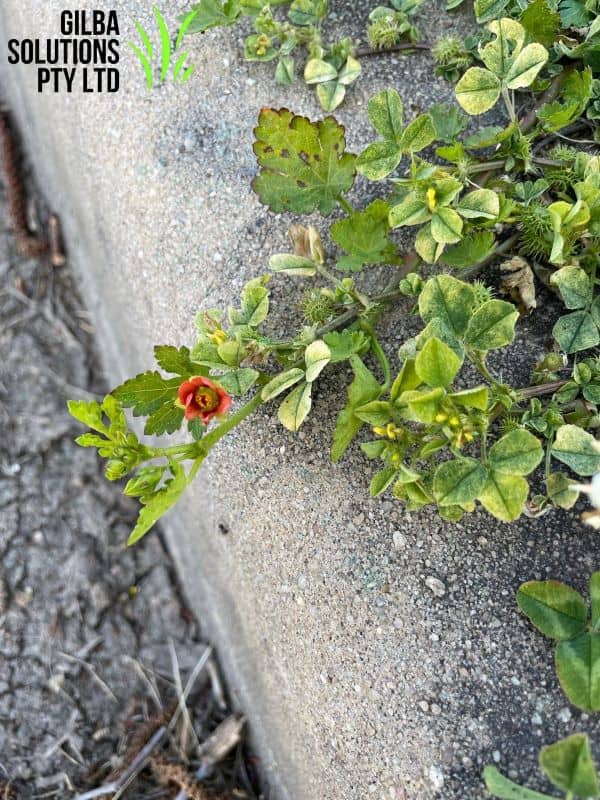
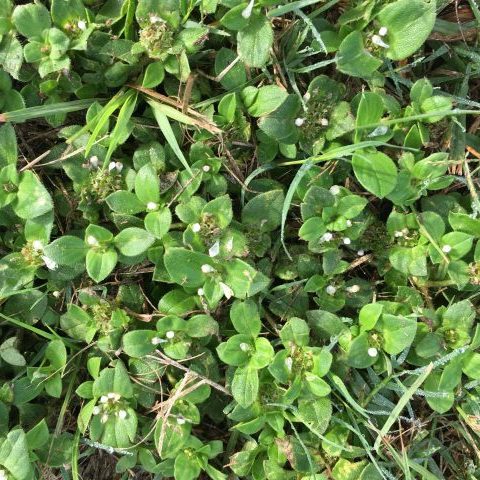
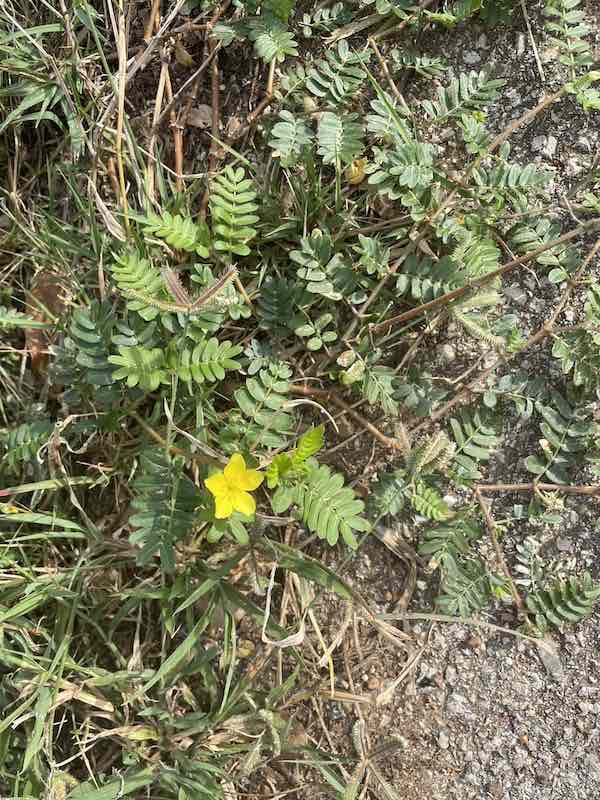
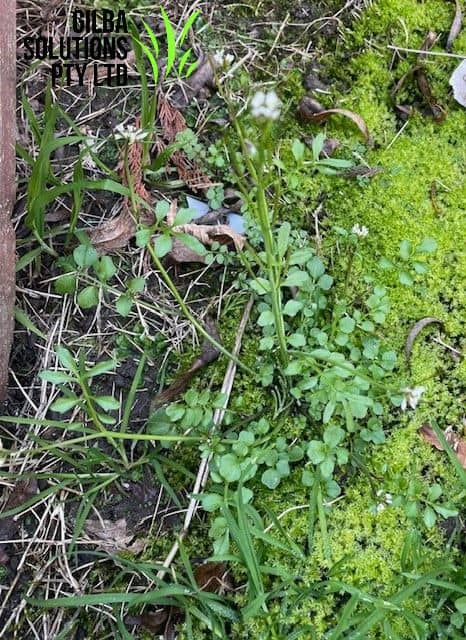
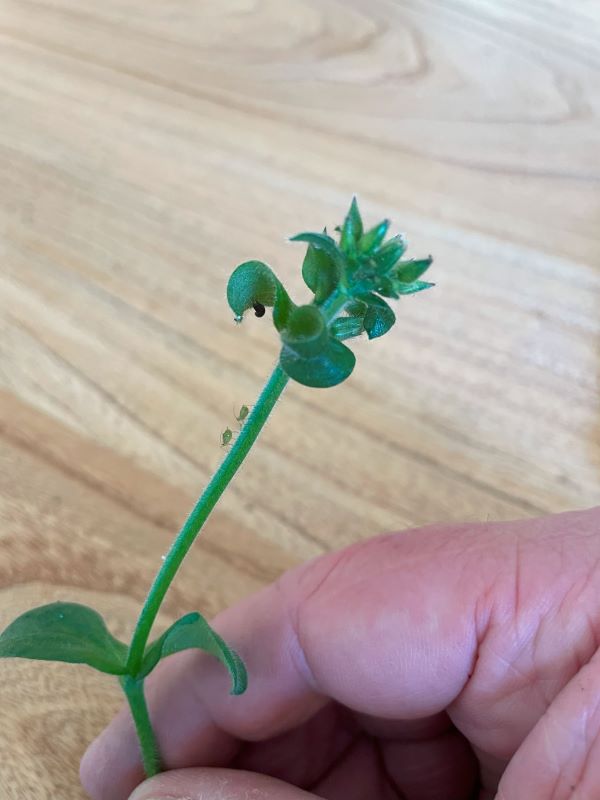
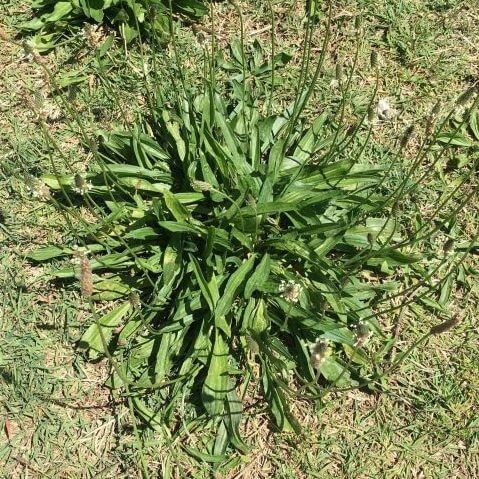
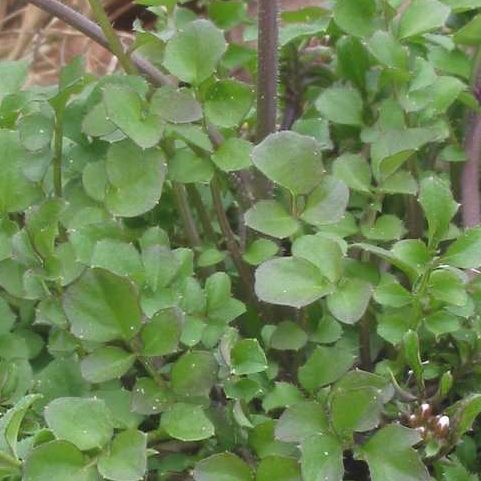
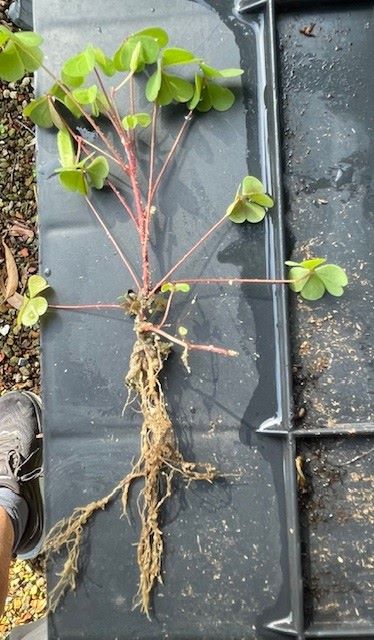
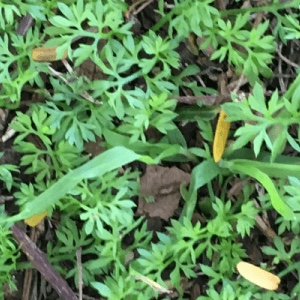
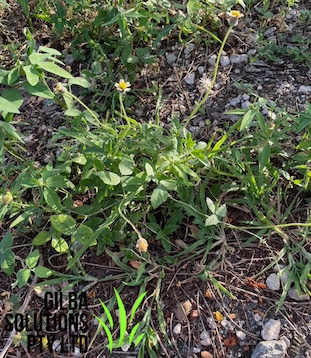
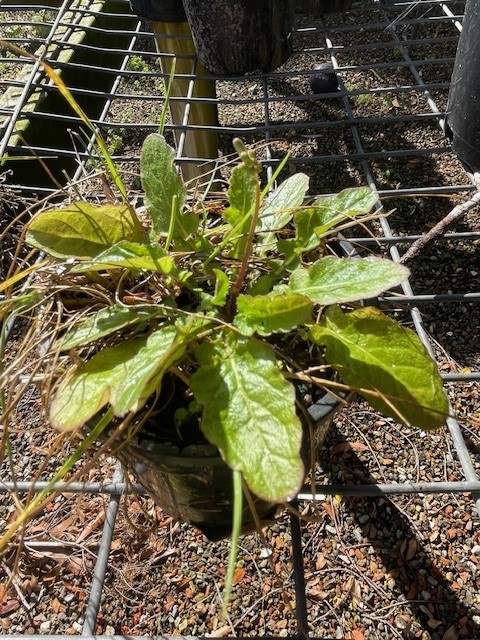
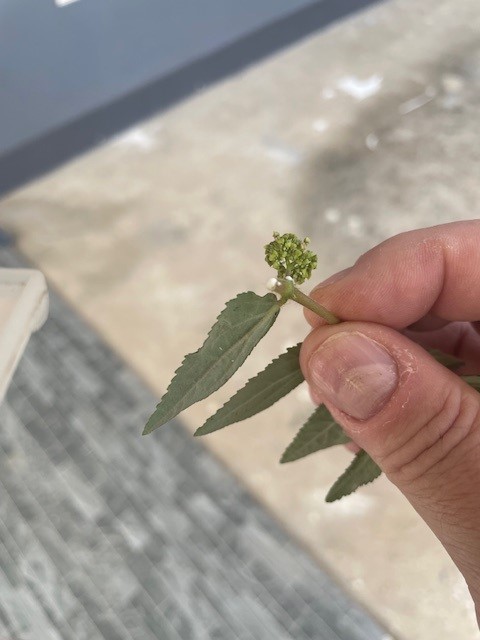
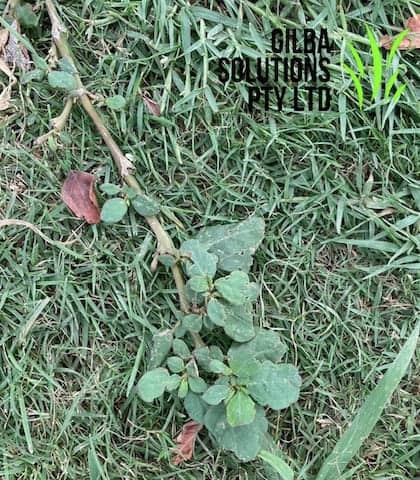
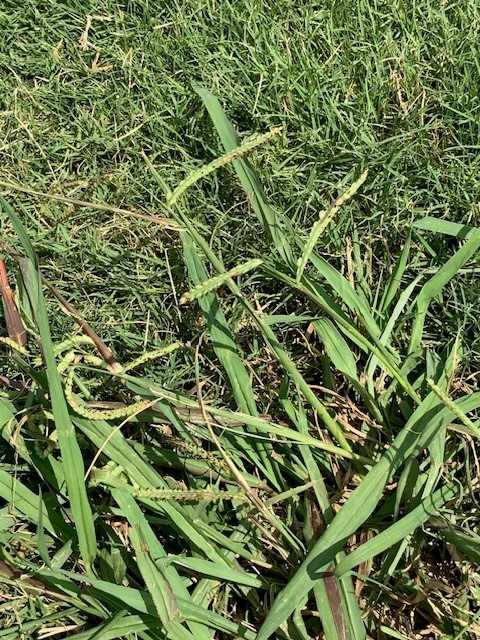
These weed identification pictures show common lawn and turf weeds in Australia to help you identify species by visual features.
Broadleaf Weeds.









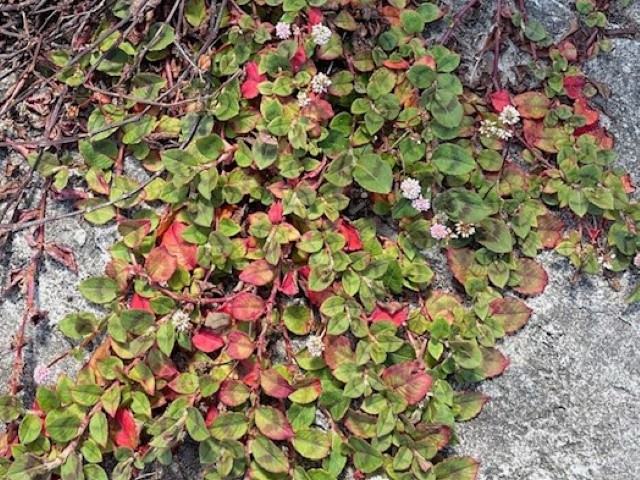
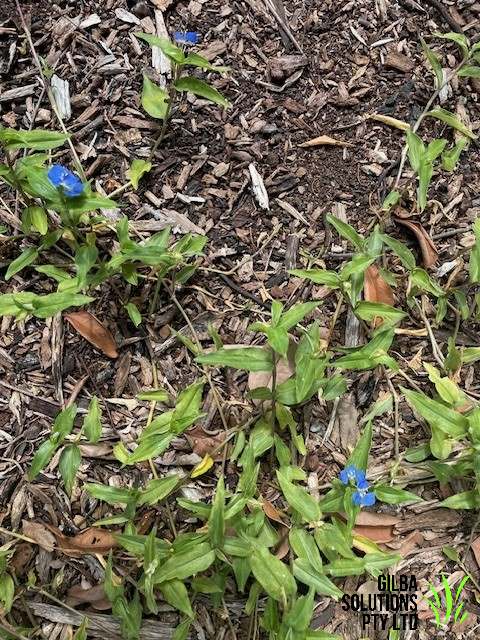
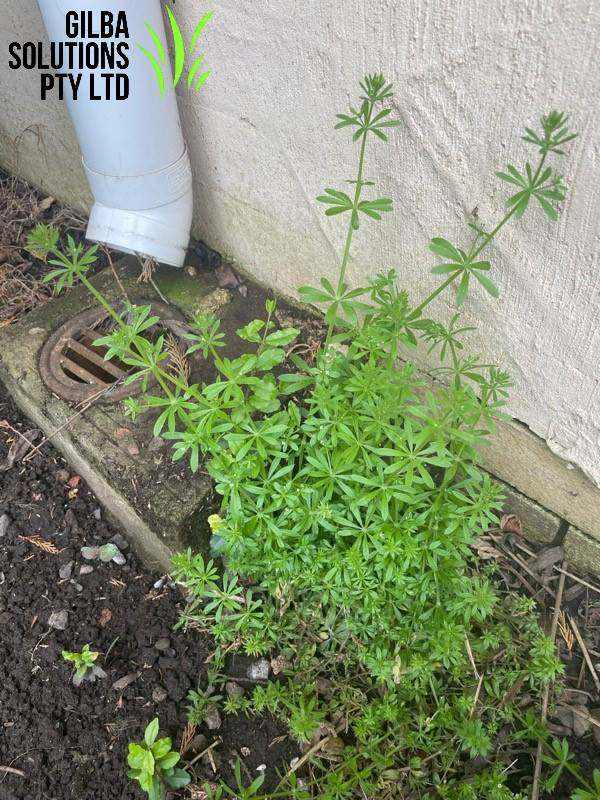
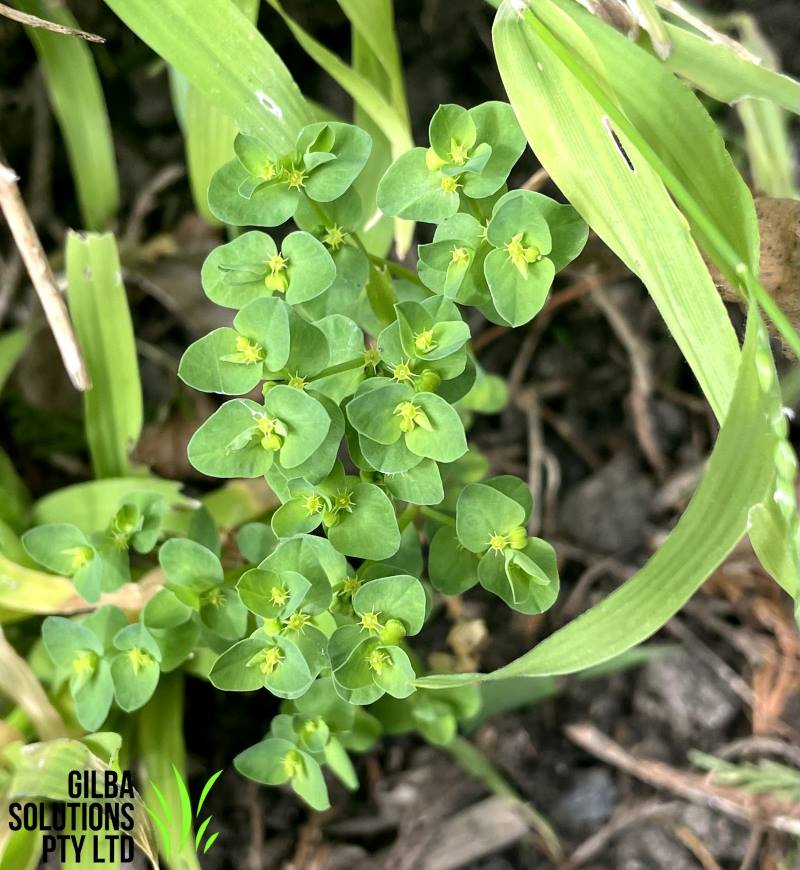
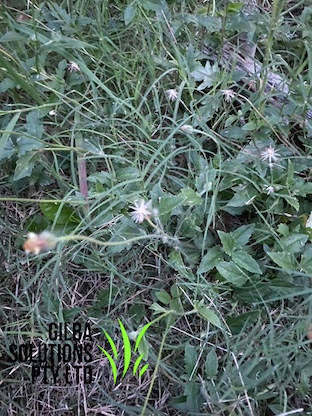
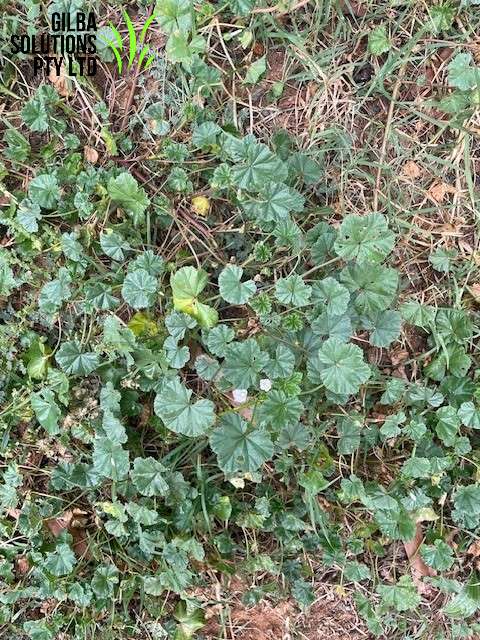
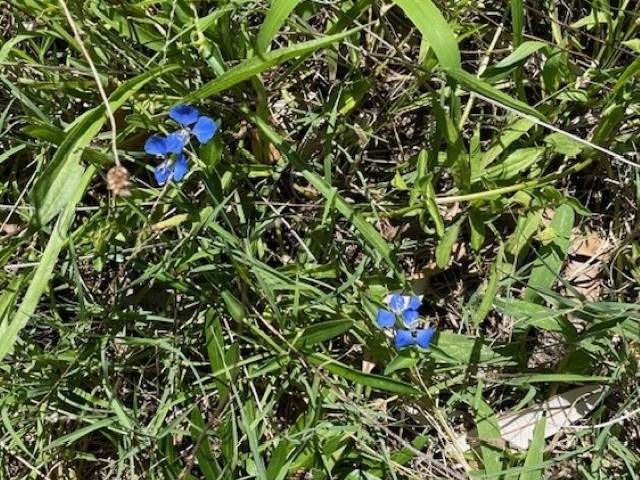
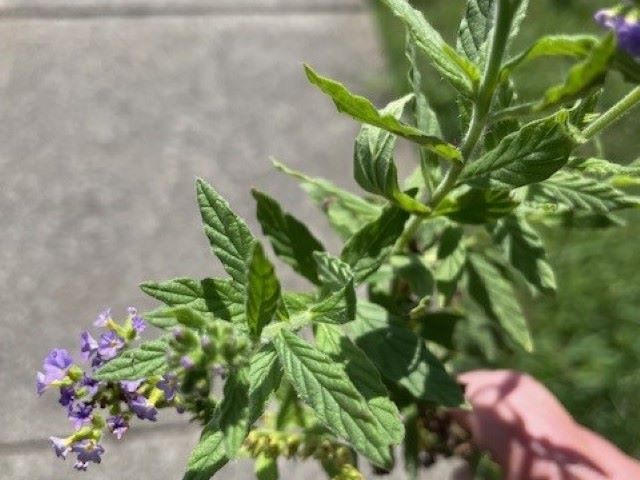

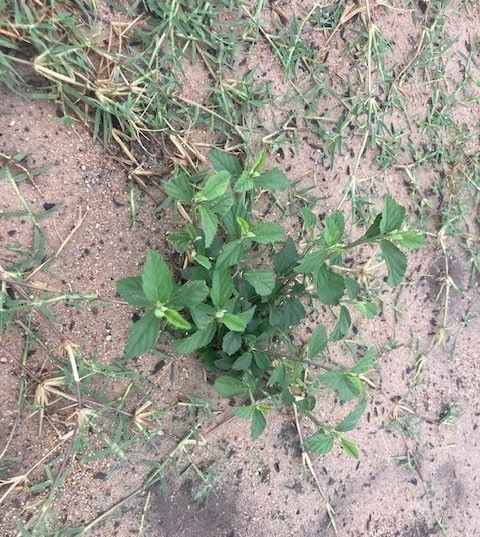
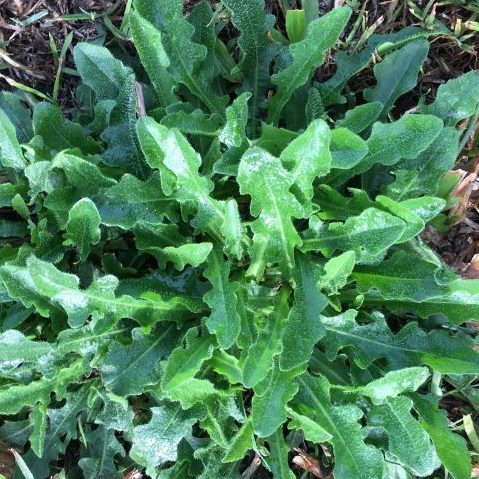
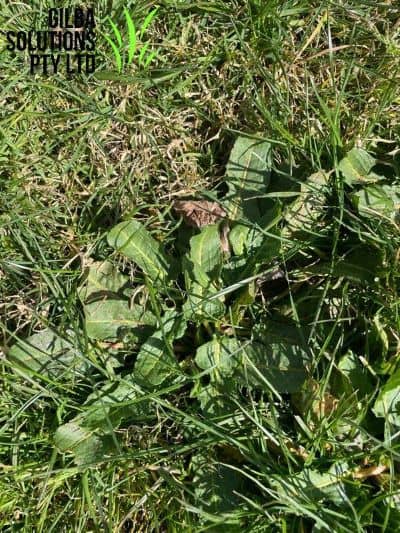
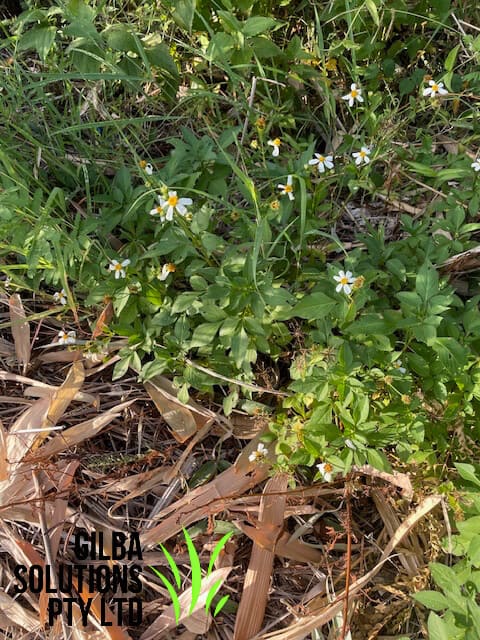




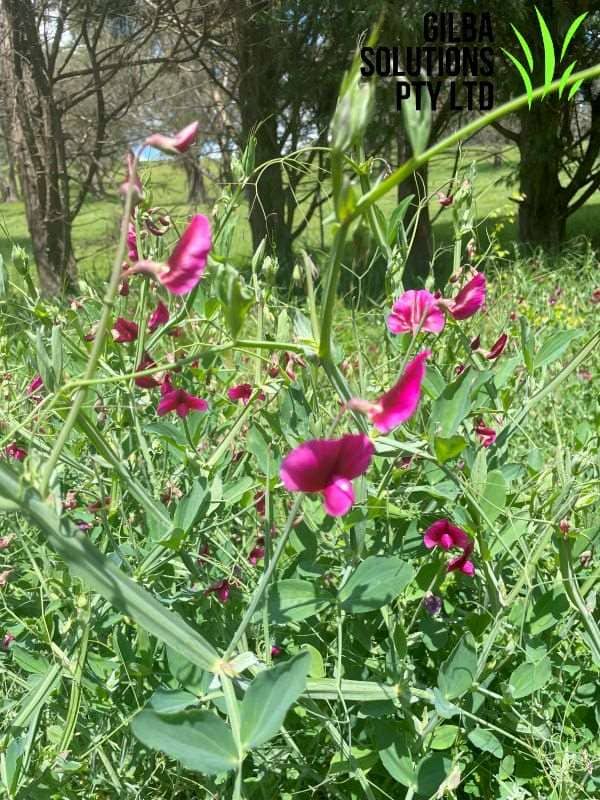
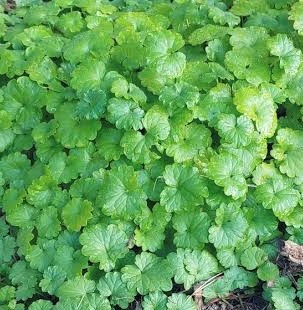

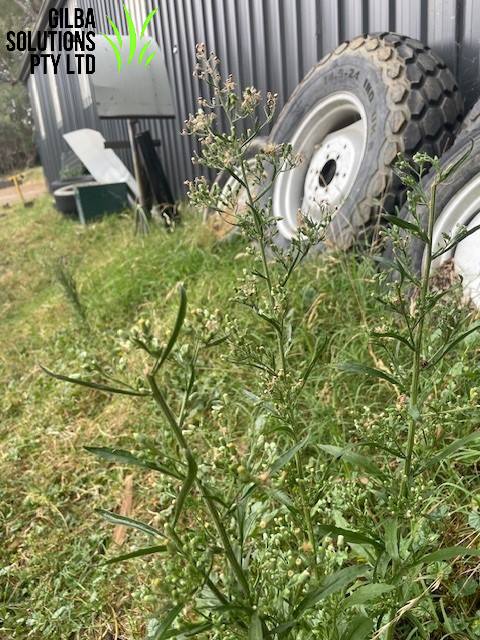
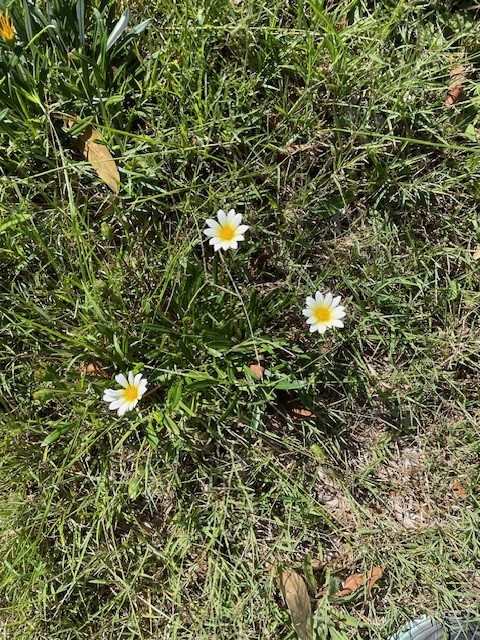
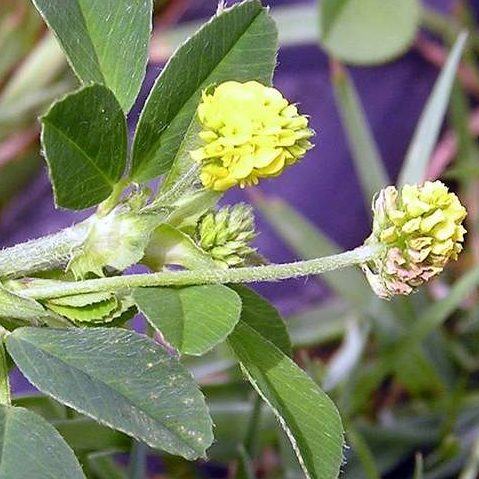
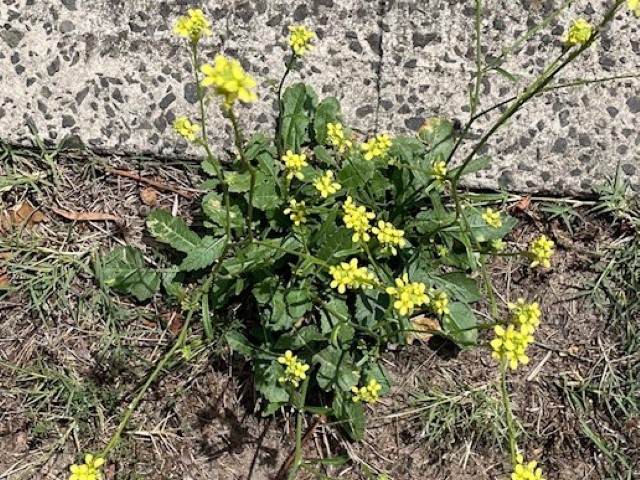


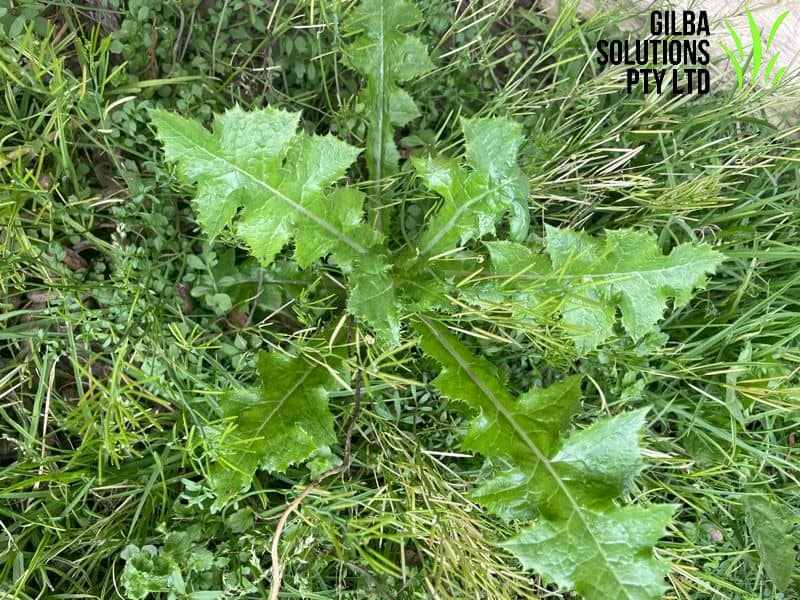

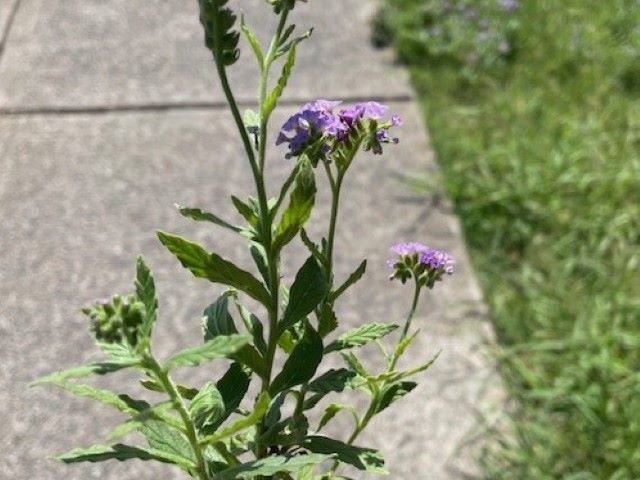
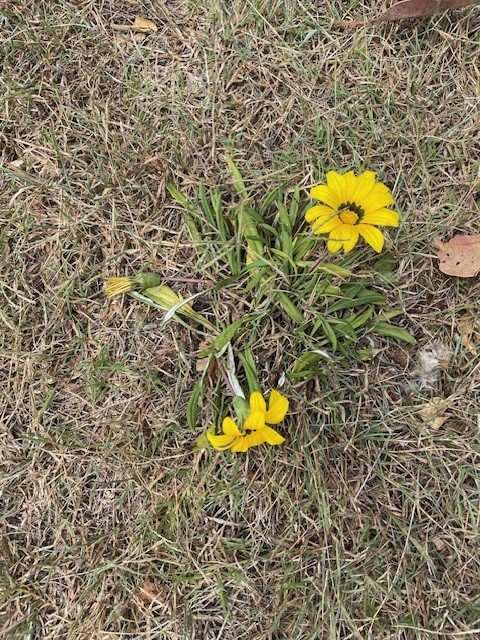
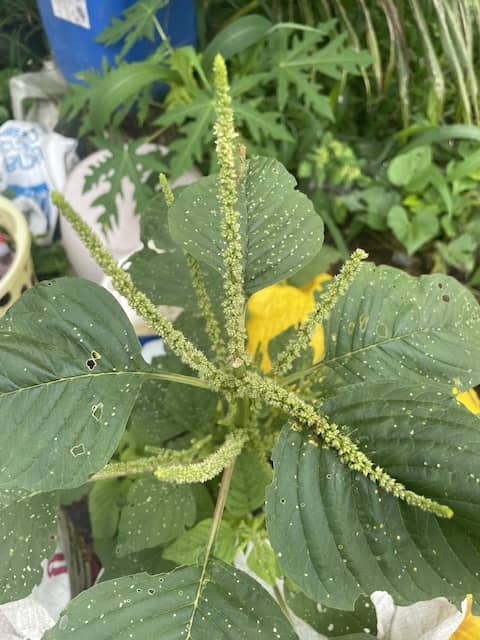


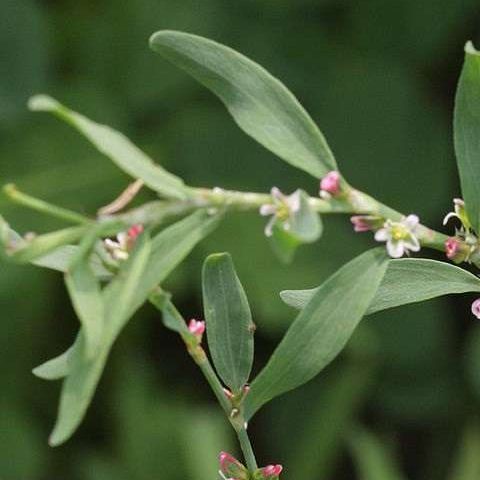
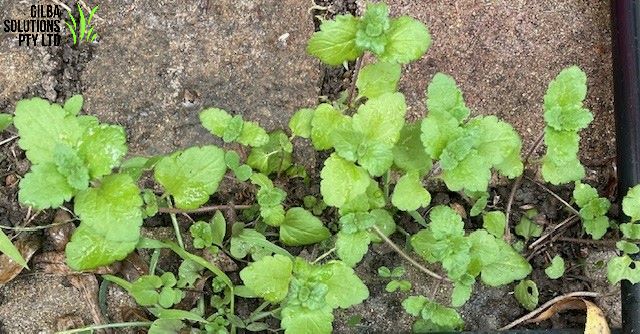
Grass Weeds.

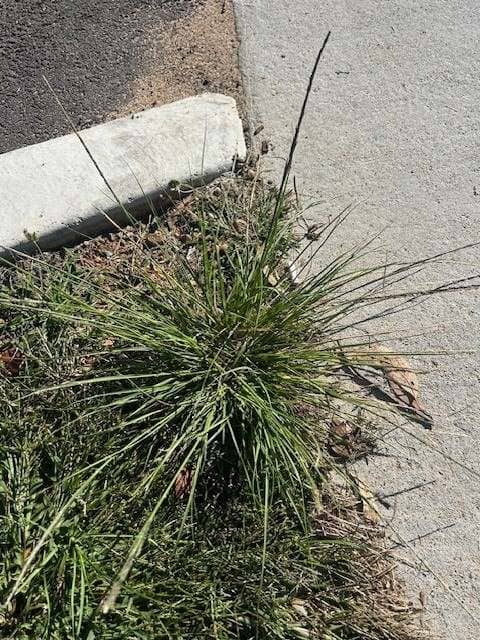
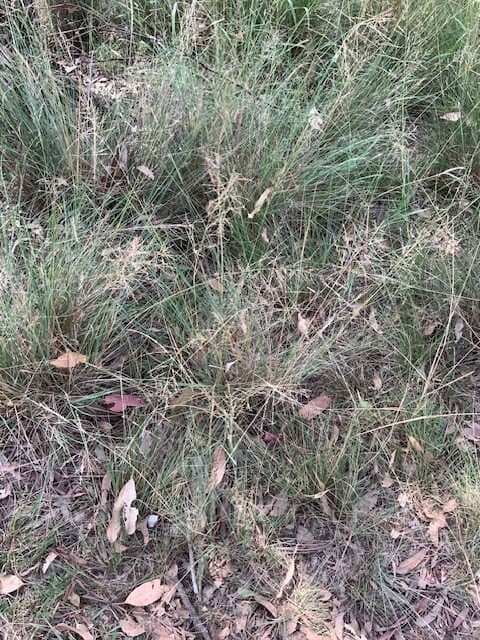



Sedges.


Lawn weed identification by state.
NSW lawn weeds.
NSW lawns commonly experience a mix of cool-season and warm-season weed pressure. Broadleaf weeds such as bindii and cudweed are common in winter, while summer brings species like summer grass and spurge. Identification should consider seasonal timing and turf species.
Queensland lawn weeds.
Queensland conditions favour warm-season weeds year-round. Caltrop, summer grass, and sedges are more persistent due to higher temperatures and longer growing seasons. Identification often requires distinguishing between similar grassy weeds.
Victoria lawn weeds.
Victoria lawns typically experience strong winter weed pressure, including broadleaf weeds such as chickweed and plantain. Summer weeds occur but are generally less dominant than in northern states. Identification is often easier during active growth periods.
FAQ
Where can I find free independent advice on weeds?
When requiring support or guidance on managing weeds, you might can reach out to various organizations that specialize in this field. Typically, you can find resources offered by government bodies, industry experts, research institutions, and community-based groups who deal with complex weed management issues. A useful strategy is to look at dedicated online platforms or websites that compile contact information and links to these organizations. Many of these sites include a ‘connect’ section or similar directory where you can directly find tailored assistance.
If I can’t ID a weed with an online key what should I do?
If you are struggling to identify a weed using the online key, first revisit your selections in the Features Chosen panel to ensure they are correct. If you are still unsure about the weed’s identity after reviewing the selections, consider reaching out for additional assistance. You can contact your local weeds officer, consult a herbarium, or seek guidance through a plant identification Facebook group or the iNaturalist platform. For contact details and useful links, refer to the Connect section of the online key. This approach will help you with expert advice and possibly confirm the identity of the plant you are examining.
What should I do if after I ID a weed and there is no chemical control?
Unfortunately in some cases weed ID leads to weeds where chemical options are limited at best. In these cases feel free to contact us and we can discuss alternative control options.
Are there ways to ID weeds, such as Facebook groups like Plant ID Australia?
You have several options to identify weeds. For instance, you can use social media platforms where there are weed specific groups. Otherwise, community-based science apps offer resources where people come together to help identify various plant species based on the photos you upload.
How can I confirm the ID of a weed once I have made an initial ID?
Your page answers the question “How can I confirm the identification of a weed once I have made a preliminary identification?” by stating:
“A weed is only a weed if it’s a plant where you don’t want it. Also, if you don’t know what it is, how can you control it properly? So use this Australian weed identification chart carefully. Once you have made a preliminary identification using the chart, cross-reference the information and images provided with the plant you are investigating to ensure accuracy. If your findings align but you’re still uncertain, it might be wise to double-check the features you have selected. Should doubts persist, reaching out to local experts like a weeds officer or participating in plant identification groups online can provide further insights. Additionally, if there’s a chance you’ve identified a high priority weed, such as prohibited matter, it’s important to notify the relevant authority immediately. For contact details and additional resources, refer to the Report and Connect sections provided in our guide.”
What is the best way to manage weeds in lawns?
The best way is to stop them growing in the first place. A healthy, thick and dense grass cover will stop weeds growing. Weeds are great opportunists so if the grass is weak and struggling to grow, there are thin patches or the soil is compact weeds will grow.
If weeds still continue to be a problem then the using pre emergent herbicides is worth considering. These work by stopping weed seedlings from developing and vary in longevity from 10 weeks to 8 months. So basically you can apply once and have no weed issues for this length of time.
Remember though, that you need to know what the weed is that you are trying to control as not all pre emergents work as well against all weeds.
Why is weed control important?
In agriculture weeds are a major problem as they dramatically reduce yields. In a turf situation we generally don’t deal in yield but weeds will limit turf growth by taking valuable nutrients and water away from the grass.
Weed control in couch lawns
What can I use to kill weeds in my lawn without killing the grass?

Jerry Spencer
Jerry has an Hons Degree in Soil Science (1988) from Newcastle Upon Tyne University. He then worked as a turf agronomist for the Sports Turf Research Institute (STRI) until 1993.
He gained a Grad Dip in Business Management from UTS in 1999. He has held a number of technical roles for companies such as Arthur Yates (Commercial Technical Manager) and Paton Fertilizers (Organic, turf specialty and controlled release fertiliser) portfolios.
In 2013 he established Gilba Solutions as independent sports turf consultants and turf agronomists. Jerry has written over 100 articles and two books on a wide range of topics such as Turf Pesticides and turfgrass Nutrition which have been published in Australia and overseas.